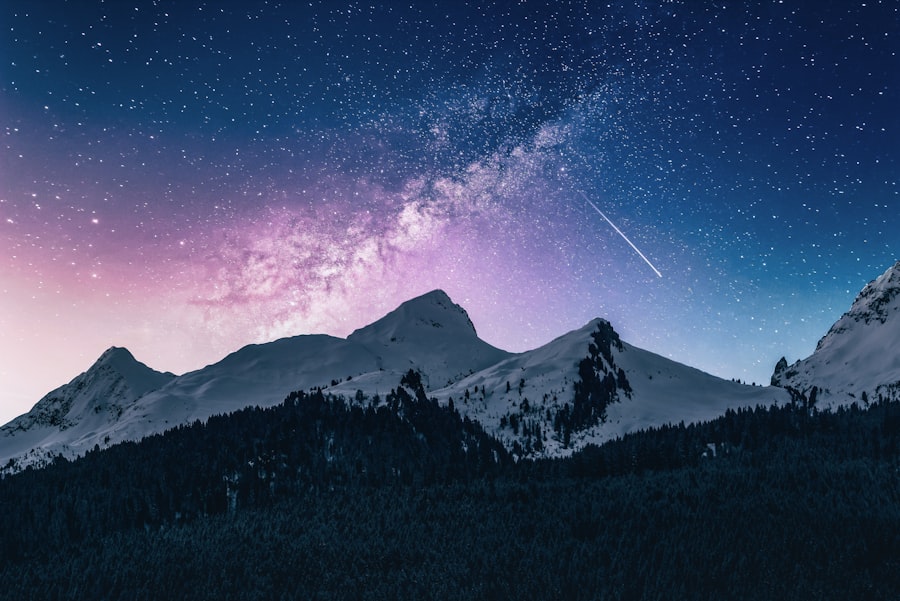
A Definitive Seasonal Guide to Himalayan Trekking
Timing your trek correctly is the single most critical factor in determining the success, safety, and overall enjoyment of your Himalayan journey. Weather conditions in the mountains can transition rapidly from warm sunshine to sub-zero blizzards. Nepal experiences four distinct climatic seasons, each offering a completely different perspective of the mountains, trail conditions, and crowd densities.
Whether you prioritize cloudless mountain views, lush colorful valleys, or quiet snow-covered trails, understanding the seasonal nuances will help you plan the ultimate expedition.
1. Autumn (September to November) — The Peak Season
Autumn is globally renowned as the gold standard for trekking in Nepal. Following the departure of the summer monsoon, the atmosphere is cleared of dust and pollution, resulting in unmatched, crystal-clear views of the snow-capped giants. The weather remains exceptionally stable with warm, pleasant days and crisp, cool nights.
Key highlights of Autumn trekking include:
- Optimal Visual Clarity: Perfect conditions for panoramic landscape photography and high-altitude pass crossings such as Thorong La (5,416m) and Cho La (5,420m).
- Comfortable Climates: Daytime temperatures average around 15°C to 20°C in lower elevations, dropping to manageable sub-zero levels at high camps.
- Festive Atmosphere: Major Hindu festivals like Dashain and Tihar take place during this time, allowing trekkers to witness rich local culture.
- Considerations: As this is the busiest season, popular trails like Everest Base Camp and the Annapurna Circuit experience heavy traffic, and tea houses require bookings far in advance.
2. Spring (March to May) — The Season of Blooms
Spring is the second most popular trekking season, characterized by warming temperatures, longer days, and vibrant blooming valleys. As the winter snow melts, high-altitude passes become safer and more accessible. Forested trails, particularly in the Annapurna and Langtang regions, are blanketed in spectacular red, pink, and white rhododendron blossoms.
- Rhododendron Forests: The valleys are alive with color, making lower-altitude and mid-altitude treks highly scenic.
- Climbing Expeditions: Spring is the primary climbing window for Mount Everest and other high peaks. Trekkers will get to witness the bustling energy of Everest Base Camp.
- Atmosphere: Expect moderate crowds. Trails are active, but noticeably quieter than the peak autumn rush. Some afternoon haze can build up at lower elevations, but clear morning skies are guaranteed.
3. Winter (December to February) — Solitude and Snow
Winter brings freezing temperatures and heavy snow to high-altitude zones, but it also delivers incredible rewards for those prepared for the cold. Lower-altitude treks (below 3,500m), such as Poon Hill, the Kathmandu Valley rim, and the lower Everest viewpoints, remain entirely accessible and highly rewarding.
- Complete Solitude: Enjoy the classic mountain trails and tea houses almost entirely to yourself.
- Incredible Air Quality: Winter skies are consistently clear, sharp, and cloudless, offering pristine morning vistas.
- Challenges: High-altitude passes are regularly blocked by deep snow. Temperatures above 4,000m frequently drop below -20°C at night, requiring expert cold-weather gear. Many high-camp lodges close for the season.
4. Summer/Monsoon (June to August) — The Rain Shadow Treks
The monsoon season brings heavy daily rainfall, leeches, muddy trails, and potential landslide risks to the southern slopes of the Himalayas. However, Nepal possesses unique "rain shadow" regions situated behind the main Himalayan wall, which receive virtually no rainfall during the summer.
- Upper Mustang and Dolpo: These arid, Tibetan-style high plateaus are in their prime during the monsoon. The weather is dry, warm, and highly comfortable, with unique cultural festivals taking place.
- Lush Valleys: Lower agricultural valleys become emerald green, with active farming scenes, though clouds will frequently obscure the highest snow peaks.